





Molissa Smith - 03 Jun, 2026
0 commentsFor years, travel was often measured by how much you could fit into a trip.
Three cities sounded more exciting than one.
Five destinations felt more impressive than two.
The more places you visited, the more successful the trip seemed.
At least, that was the idea.
But something appears to be changing.
More travellers are choosing to spend a week, two weeks, or even longer in a single destination instead of moving constantly from place to place.
This growing interest in slow travel isn't about seeing less.
It's about experiencing more.
Why Is Slow Travel Growing?
There isn't one reason.
It's a combination of changes that are quietly reshaping the way people travel.
For some, it's cost.
Accommodation, transport, and dining out have become significantly more expensive in many destinations. Staying in one place often works out cheaper than moving between multiple cities.
For others, it's flexibility.
Remote work has made it possible for many people to spend longer periods away from home without using weeks of annual leave.
There's also a growing sense of travel fatigue.
After years of bucket lists, packed itineraries, and social media feeds filled with "must-see" attractions, some travellers are beginning to question whether racing through destinations is actually the most rewarding way to experience them.
Many are discovering that it isn't.
The Hidden Cost of Constant Movement
Moving between destinations feels productive.
It feels like you're making the most of your time.
But every move comes with hidden costs.
Packing.
Checking out.
Travelling.
Checking in.
Learning a new transport system.
Finding your bearings all over again.
Individually, these things don't seem significant.
Together, they can consume a surprising amount of a trip.
That's one reason many travellers are beginning to favour longer stays.
Not because they want fewer experiences.
Because they want to spend less time moving between them.
Why Some Trips Stay With Us Longer
It's easy to assume that five destinations will create five times as many memories.
But memory doesn't really work like that.
Think back to a trip you took several years ago.
Chances are, you don't remember every attraction, every train journey, or every hotel room.
What tends to stick are the moments that felt personal.
The café you kept returning to.
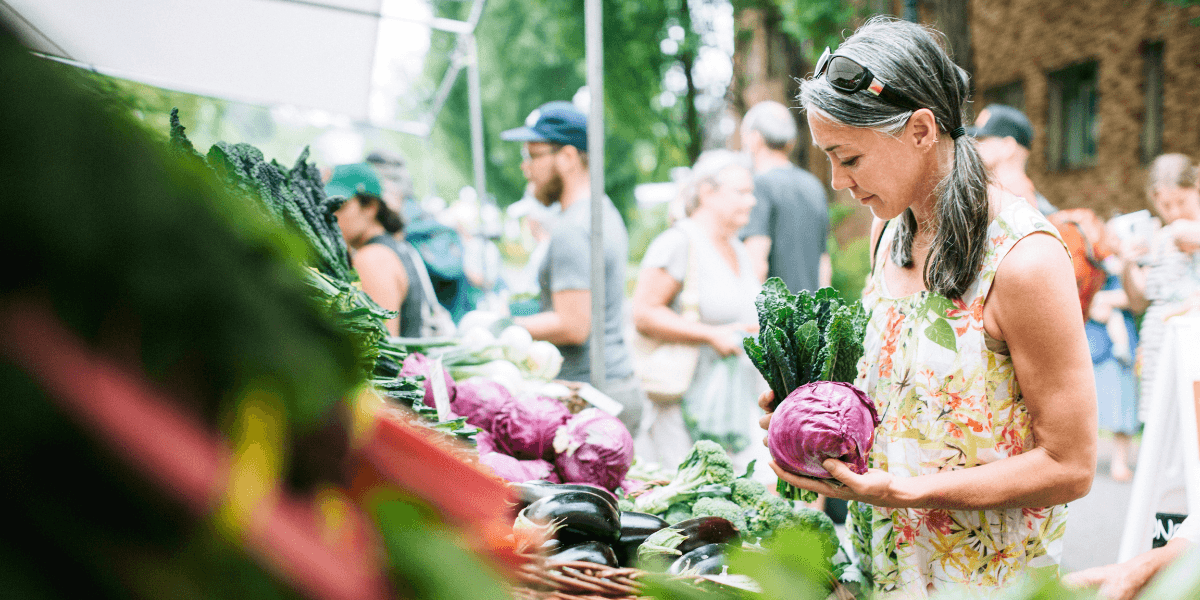
The local market where you bought breakfast each morning.
The conversation you weren't expecting to have.
The small details that made a place feel real.
Ask someone about a whirlwind trip through four countries and they may struggle to remember which experience happened where.
Ask them about a place they stayed for three weeks and they'll often remember the bakery owner, the neighbour next door, or the route they walked every evening.
That's the difference.
The Stories People Remember Most
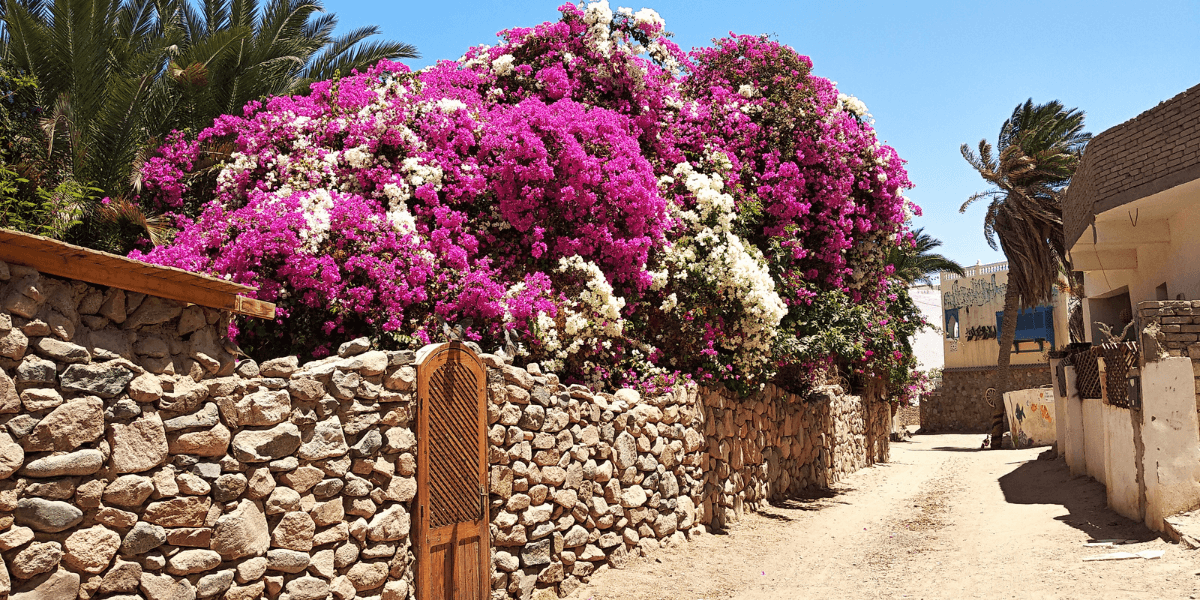
One Habiqo member spent several weeks in Dahab, Egypt.
When reflecting on the experience later, they didn't talk much about attractions.
Instead, they remembered getting to know their neighbours.
Shopping at the local market.
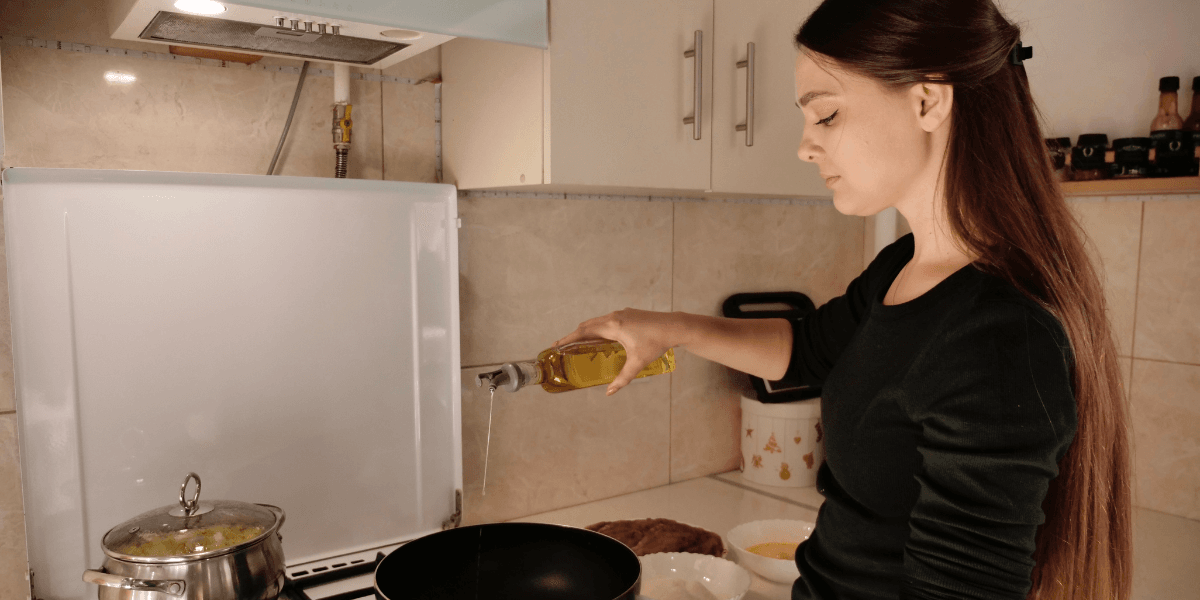
Cooking meals at home.
Using kitchen scraps to feed the neighbour's goats.
What began as a shorter stay eventually became a twenty-day trip because they simply weren't ready to leave.
It's a small story.
But it highlights something important.
The experiences people remember most are often the ones they never planned.
The Practical Challenge of Staying Longer
Of course, spending more time in one place isn't always easy.
One of the biggest barriers is accommodation.
A hotel that feels reasonable for three nights can become expensive over three weeks.
The same is often true of short-term rentals.
That's one reason home exchange has become increasingly attractive to travellers interested in slow travel and longer stays.
By removing accommodation costs from the equation, staying somewhere for weeks rather than days becomes far more realistic.
And when the pressure to maximise every day starts to disappear, travel often feels different too.
Why Home Exchange Fits Naturally Into This Shift
Home exchange isn't the reason slow travel is growing.
But it does support many of the things travellers are increasingly looking for.
More flexibility.
Longer stays.
A chance to experience destinations beyond the usual tourist areas.
The ability to spend time in a real neighbourhood rather than a hotel district.
For many travellers, home exchange doesn't just make slow travel more affordable.
It makes it possible.
If you've ever wondered why living somewhere feels completely different from simply visiting, you might enjoy reading The Difference Between Visiting a Place and Living There.
A Different Way of Measuring Travel
For decades, travel was often measured in miles covered, countries visited, and attractions ticked off a list.
But more travellers are beginning to measure it differently.
Not by how much they saw.
But by how deeply they experienced it.
And sometimes that starts by choosing one place instead of five.
Curious About Trying It Yourself?
Browse homes available for exchange →
Create your free Habiqo account →
Because some of the most memorable travel experiences happen when you stay long enough for a place to feel less like a destination and more like part of your story.
Share your story
Tell us your story and get published on our blog. Send us your story
Send us your story